The Tower
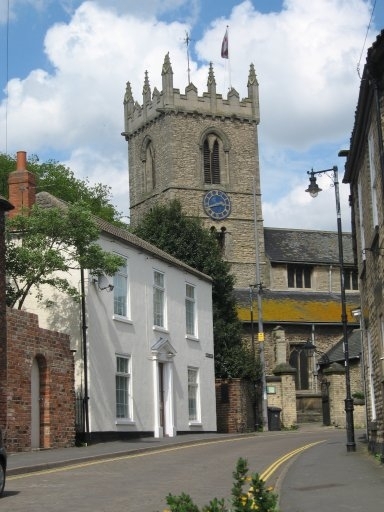
The tower of All Saints is one of the best surviving examples of a Lincolnshire Tower built just after the Norman Conquest, housing our clock and our ring of six bells.
Architecture
According to Historic England, the tower was built in the mid-11th century along with the nave; the upper stage of the tower is early-to-mid 13th century. Restorations of 1903–4 by C. Hodgson Fowler included the addition of a tower parapet.
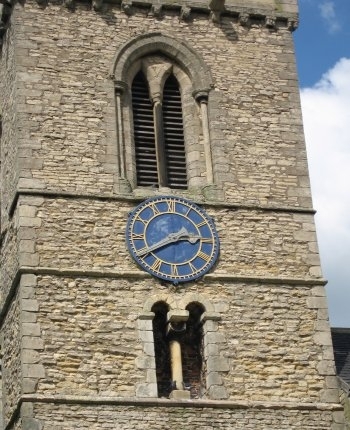
The four-stage tower has a plinth, quoins and chamfered string courses to the first three stages. The tall first stage has a west door with a low arched lintel and a later lancet above. The stepped-in second stage has twin round-headed belfry openings with cylindrical mid-wall shafts and cushion capitals. Circular sound-holes to the third stage are obscured on the south side by the 19th-century clockface. The fourth stage has tall twin pointed belfry openings with nook shafts and a central chamfered shaft. There is a 20th-century corbel table, spouts, and an embattled parapet with crocketed pinnacles.
There is a fascinating story about the nature of Lincolnshire Towers and why so many were built in a short space of time — see our Lincolnshire Towers booklet below for more details and a trail to other similar towers in northern Lincolnshire.
Bells
The tower housed bells before 1734, though the records do not state when they were first installed.
Did you know?
- All Saints has six bells, the newest bell having been added in 1899
- The oldest five bells were made in 1734 and were cast here in Winterton
- The frame on which the bells are hung was installed in 1948 and has space for eight bells
- Each bell has an inscription, though for some reason the inscription on the second bell has been chipped off
- The total weight of bells hung in the tower is over 2,250 kilograms (2.2 tons, as bells are still measured in the old Imperial hundredweights, quarters and pounds)
- The Tower Keeper is responsible for the management of the bell tower, including maintenance of the bells
If you would like to know more about the bells, see Church Bells.
Clock
Parish records show that a church clock existed in 1625, when John Dawber of Kirton was paid 3s.4d (about 17p) a year to keep the clock in repair. The current clock, however, was made in 1834 in Winterton by clockmaker John Robinson and machine-maker Matthew Beacock. It cost £90, of which Lady Boynton of Winterton Hall gave £50, the rest coming from public subscription.
Did you know?
- The diameter of the clock face on the tower is approximately 5 feet (1.52 metres)
- The clock pendulum is 13 feet long (3.96 metres) and swings once every two seconds
- Part of the escapement (mechanism) of the Winterton church clock, invented by John Robinson, is unique in Britain
- The clock needs to be wound every week
- The two weights are 7cwt (355.6kg) and 3cwt (152.4kg) and each needs to be wound up 35 feet (10.7 metres)
The current Winterton Church Clock Keepers are Mr Richard Ball and Mr Roger Moody, who are responsible for the weekly winding and overall clock maintenance. If you would like to know more about the clock, and see a video clip of the weekly clock winding, see Church Clock.